
The complete guide
How to Choose a Countertop Wine Rack That Actually Fits Your Kitchen
The pile behind the kettle
Wine storage creeps up on people. You buy a couple of bottles for dinner, someone brings one to a barbecue, you grab a case on special because the price was good, and before long there is a cluster of bottles on the bench, a few in a cupboard and one on its side in the fridge door. Nothing is damaged exactly, but nothing is organised either. You cannot see labels, you forget what you own, and the bench feels cluttered.
A countertop wine rack solves a smaller problem than people expect, and that is exactly why it works. It is not about cellaring. It is about getting twelve bottles off the bench surface, lined up where you can read the labels, in a shape that looks deliberate instead of accidental.
How a three tier rack works
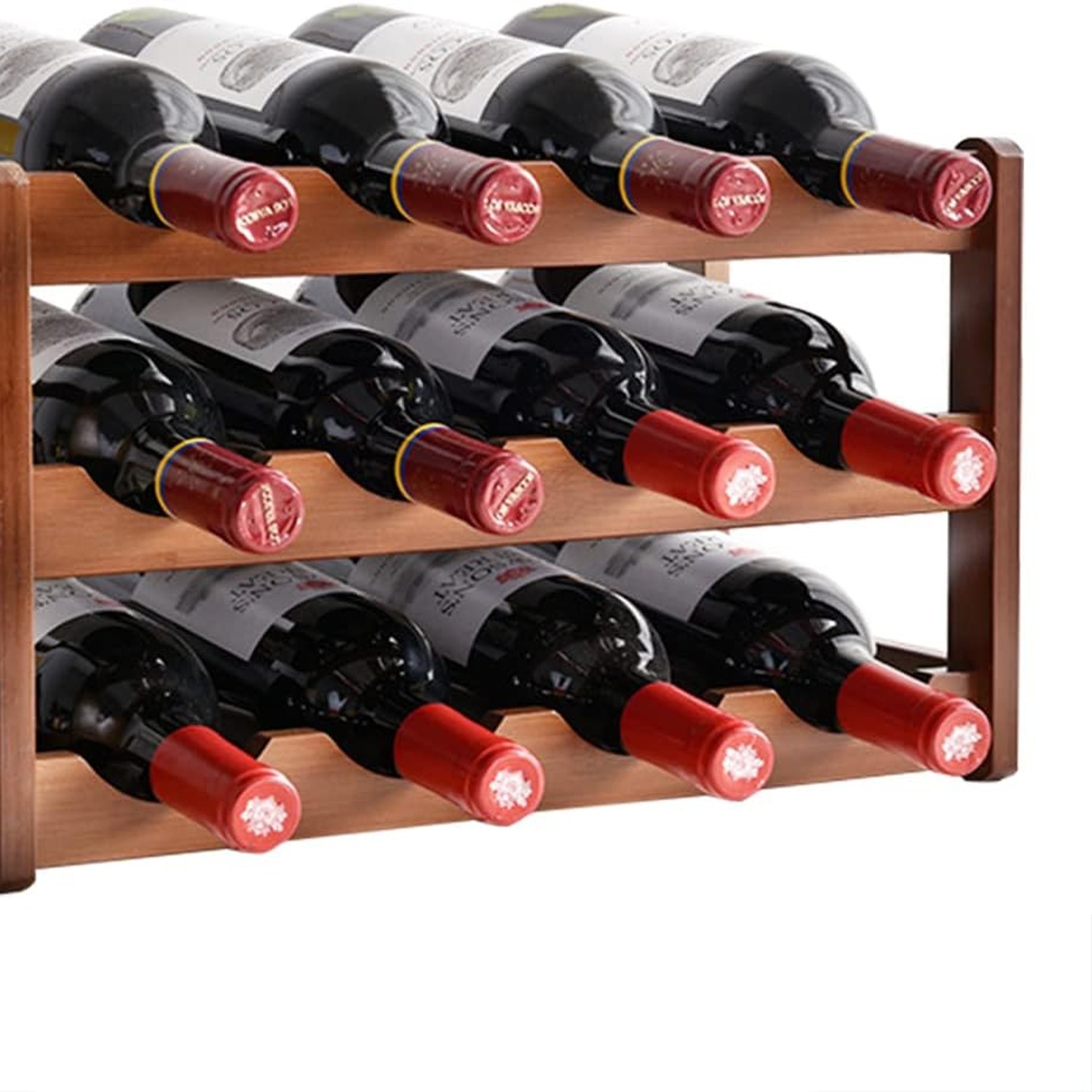
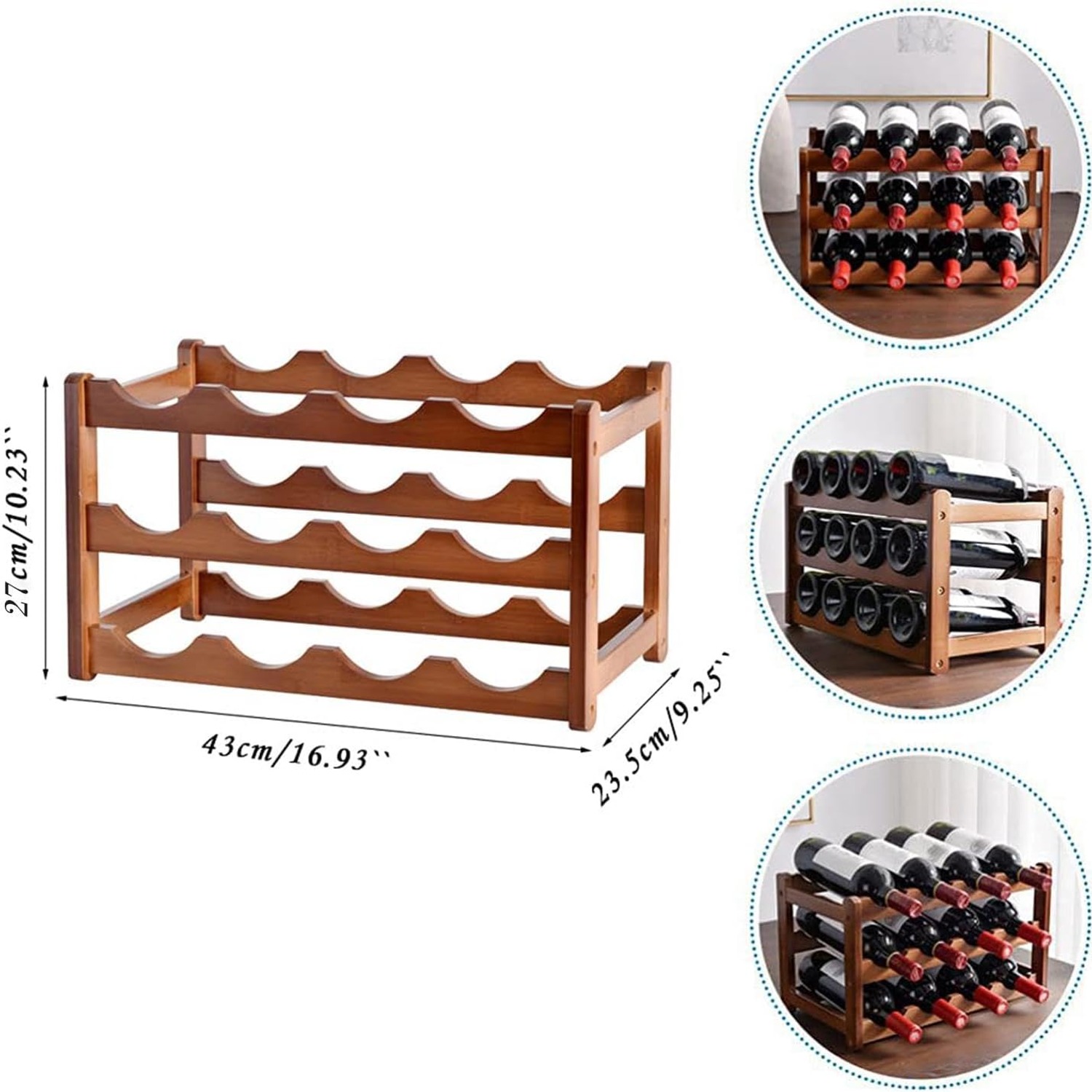
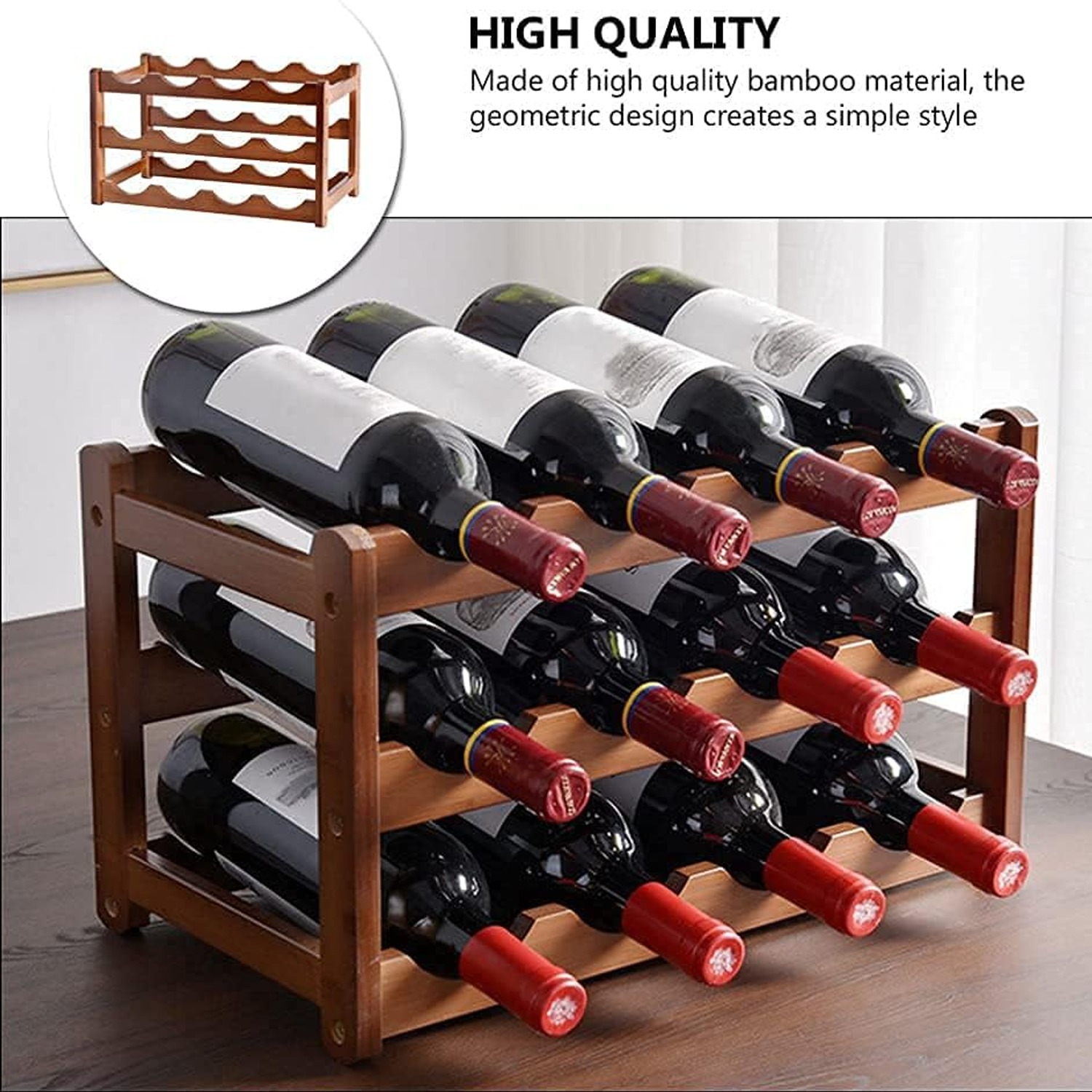
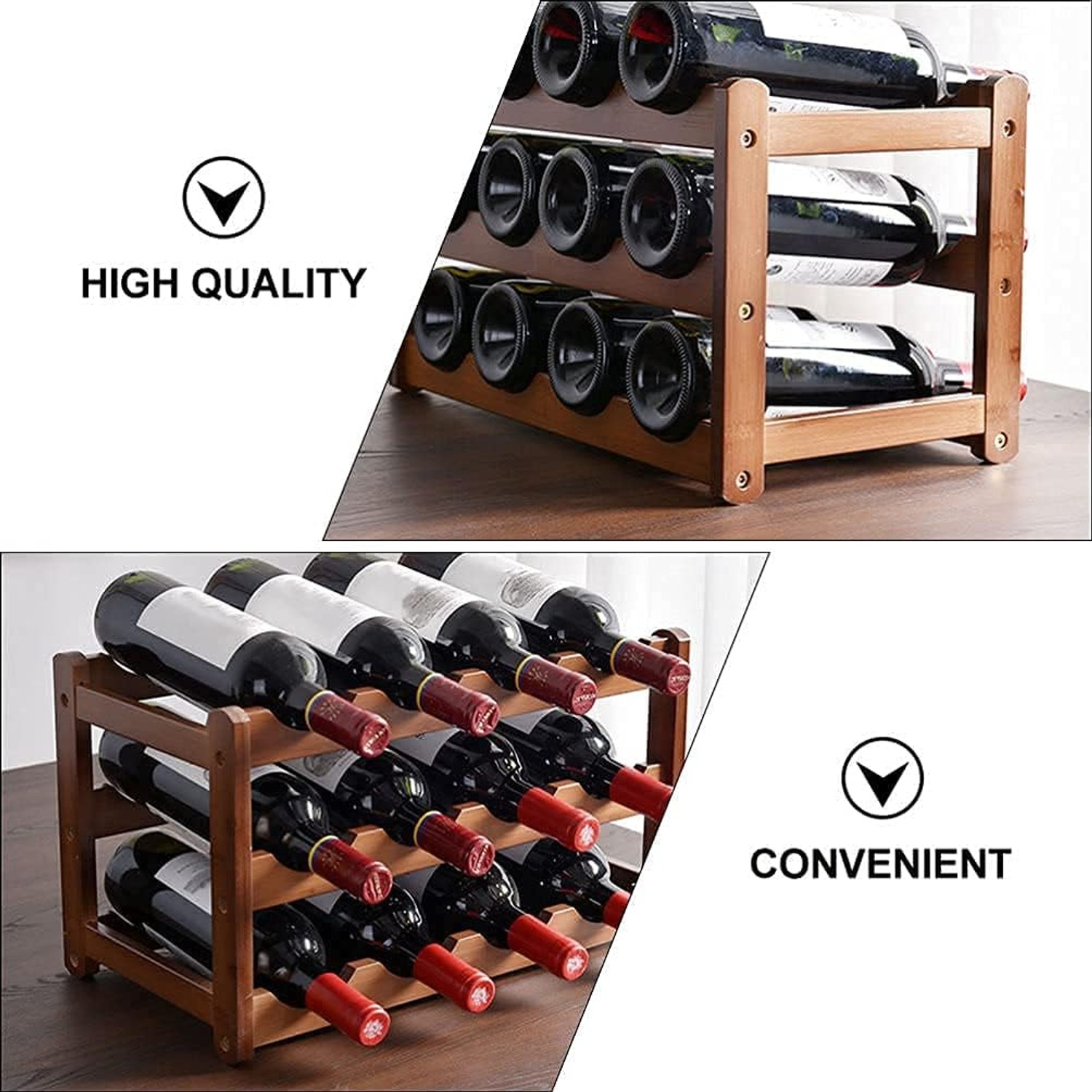
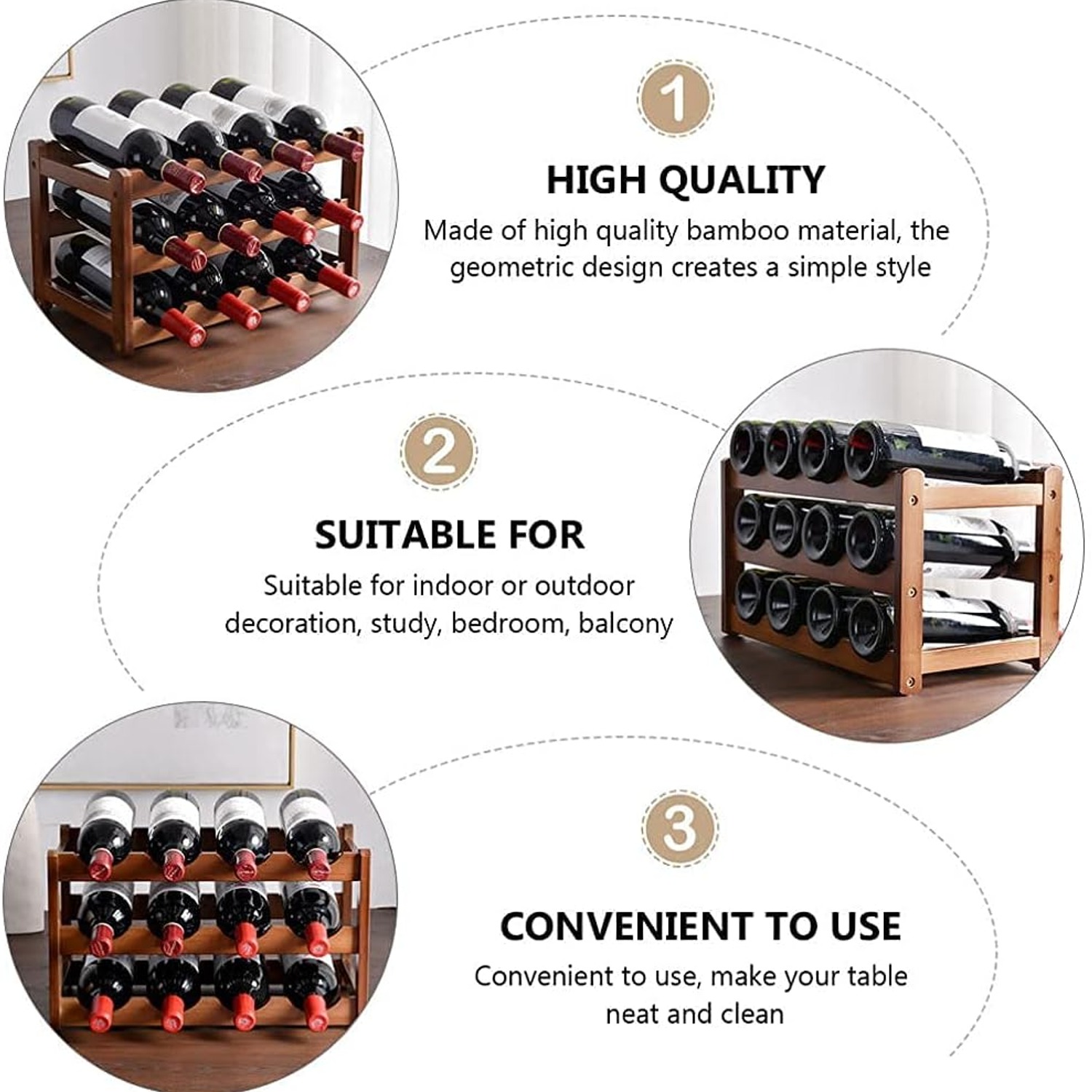
The design here is simple. Three horizontal shelves sit between two bamboo uprights, and each shelf holds four bottles lying on their sides. Twelve bottles total. The shelves are not flat. They are cut with a wave profile, so each bottle sinks into a shallow dip and stays where you put it.
That wave is doing more work than it looks. On a flat shelf, pulling one bottle out shifts the weight and the neighbours start to travel. On a wave-cut shelf each bottle has its own seat. You can take the middle bottle out of a row and the other three stay exactly where they were.
Lying bottles on their side is also the standard approach for wine with a natural cork. The wine stays in contact with the cork, the cork stays damp, and it keeps its seal. Screw-cap bottles do not care either way, but horizontal storage is still the most space-efficient way to stack them.
Why bamboo
Bamboo has become a common material for kitchen pieces for good reasons. It is light for its strength, it has a tight, even grain, and it takes a finish well. This rack weighs 1.1kg empty, which means you can pick it up with one hand to wipe the bench underneath.
The finish on this one is paint, which gives the surface some resistance to the splashes and fingerprints that happen in a working kitchen. Care is about as easy as it gets, a dry cloth for dust and a barely damp cloth for anything sticky, dried off straight away.
The one thing worth knowing about any timber or bamboo product is that it does not like sitting in water. Keep it out of the splash zone beside the sink and off the top of a dishwasher that vents steam, and it will hold up fine.
Who this suits
This is a good fit if you drink wine regularly rather than collect it. Twelve bottles is roughly a case, which for most households is a few weeks of casual drinking or a solid buffer for entertaining.
It suits small kitchens particularly well. At 43cm wide and 23.5cm deep the footprint is about the same as a large dish rack, so it fits the end of a bench, a sideboard, a shelf in a butler's pantry or a bar cart. Apartment dwellers tend to get the most out of it because there is no spare floor space for a wine cabinet.
It also suits anyone who wants their bottles visible. An open rack doubles as display. If you have nice labels, this shows them off. If you prefer bottles hidden, a cupboard rack is a better call.
Who it does not suit: anyone cellaring bottles for years, anyone with magnums or wide sparkling bottles as the bulk of their collection, and anyone with no clear flat surface to put it on. It is a countertop unit with no wall-mount option.
Measuring before you buy
This is the step people skip and then regret. Three numbers matter.
Width is 43cm. Check the clear run of bench, shelf or sideboard you are planning to use, and allow a few centimetres at each end so you are not wedging it in.
Depth is 23.5cm. On a standard kitchen bench that leaves room in front, but on a narrow shelf it can overhang. An overhanging rack holding 15kg of glass is not a good arrangement.
Height is 27cm. This is the one that catches people out under overhead cupboards. Measure from the bench surface to the underside of the cupboard, and leave enough clearance to actually lift a bottle out and lay it back in, which needs more room than the rack height alone.
Loading it sensibly
Load from the bottom tier up. Keeping the weight low makes the whole thing more stable, which matters because a full rack carries around 15kg of glass and liquid.
Put the bottles you reach for most on the top tier where they are easiest to grab. Keep anything you are saving on the bottom. If you tend to buy the same wine repeatedly, grouping by type makes the rack easier to read at a glance.
Do not move it while it is loaded. The rack itself is light, which is handy, but a loaded rack has a lot of unsecured weight in it. Unload, move, reload.
Assembly, honestly
It comes flat-packed and you put it together. The hardware is in the box, and the shelves locate into the uprights so the alignment is largely done for you. Most people finish it in under half an hour.
Two tips. Lay all the parts out and count them against the list before you start, because finding a missing fitting at the end is far more annoying than finding it at the beginning. And tighten everything gently first, square the frame up, then do the final tighten. Fully tightening one corner before the rest are in place is how you end up with a frame that rocks.
Living with it
After the first week you stop noticing it, which is the goal. Dust it when you dust the bench. Every few months, give the fittings a quick check and nip up anything that has worked loose, which is normal for any assembled furniture that gets handled.
If you are using it for oil and vinegar instead of wine, wipe the shelf under the spouts occasionally. Oil drips are invisible until they are not.
One thing worth planning for is light. An open rack leaves bottles exposed to whatever light is in the room, and strong direct sun is hard on wine over months. If the only spot you have is a sunny window, think about rotating stock faster or picking a shadier corner.
Gifting it
Wine racks are a reliable gift because they are useful without being personal in a risky way. Housewarmings, weddings, retirements and office gift exchanges all work. It flat-packs, so wrapping is easy, and pairing it with a bottle turns it into a complete present without much effort.
The short version
This is a twelve bottle bamboo rack, three tiers of four, 43 x 23.5 x 27cm, 1.1kg, countertop only, flat-packed with hardware included. The wave-cut shelves hold bottles still. Care is a dry cloth.
If you want your everyday bottles organised, visible and off the bench in a compact piece that does not look like storage furniture, it does that job well. If you need to age bottles for years or you want them hidden away, look at a cabinet instead. Measure your space first and the rest is easy.