
The complete guide
How To Choose A 12-Bottle Wine Rack That Actually Fits Your Home
The problem with loose bottles
Wine has a habit of piling up in the least convenient places. A few bottles come home from a dinner, a case arrives at Christmas, someone brings a nice red to a barbecue, and before long there is a cluster of glass behind the pantry door and another one on the floor beside the fridge. Nobody planned it. It just happened.
The practical problems are small but constant. You cannot see what you have, so you buy more of the same. Bottles stand upright for months, which dries out corks. Someone knocks one over while reaching for the vacuum. And the whole arrangement looks untidy in a room you otherwise keep neat.
A 12-bottle rack solves this without turning into a renovation project. It is big enough to clear the clutter and small enough that you do not need to redesign a corner of your kitchen to make room.
How a freestanding rack works
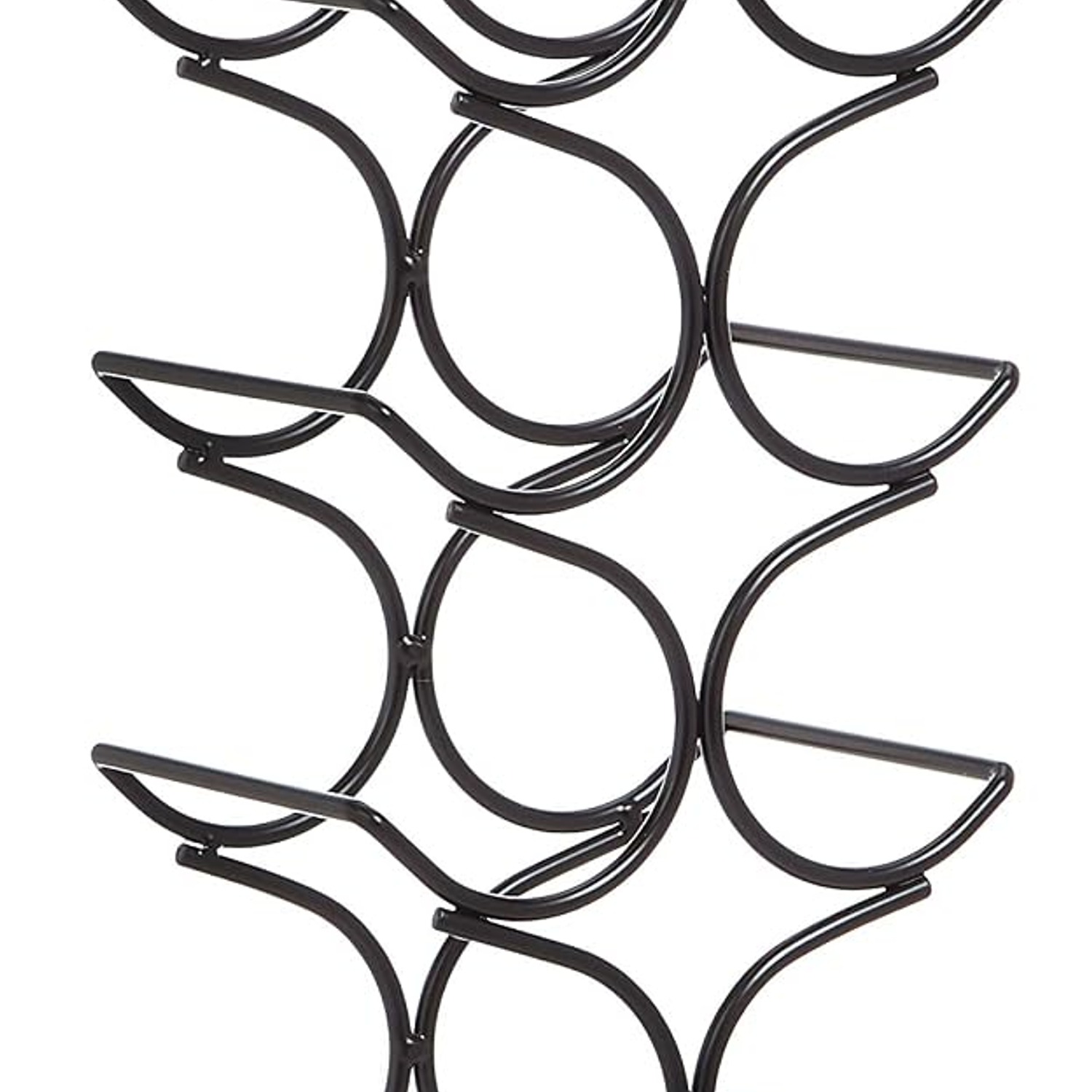
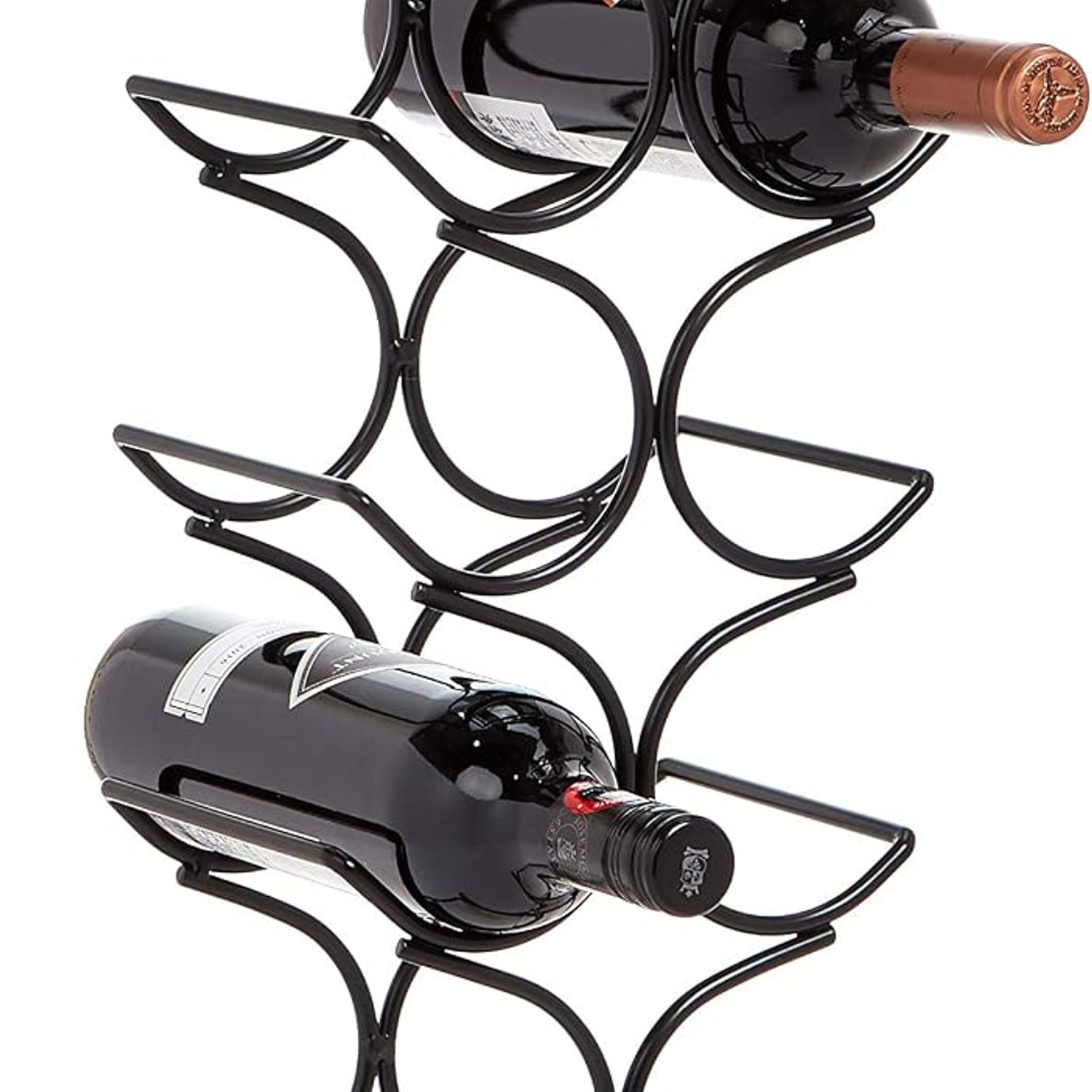
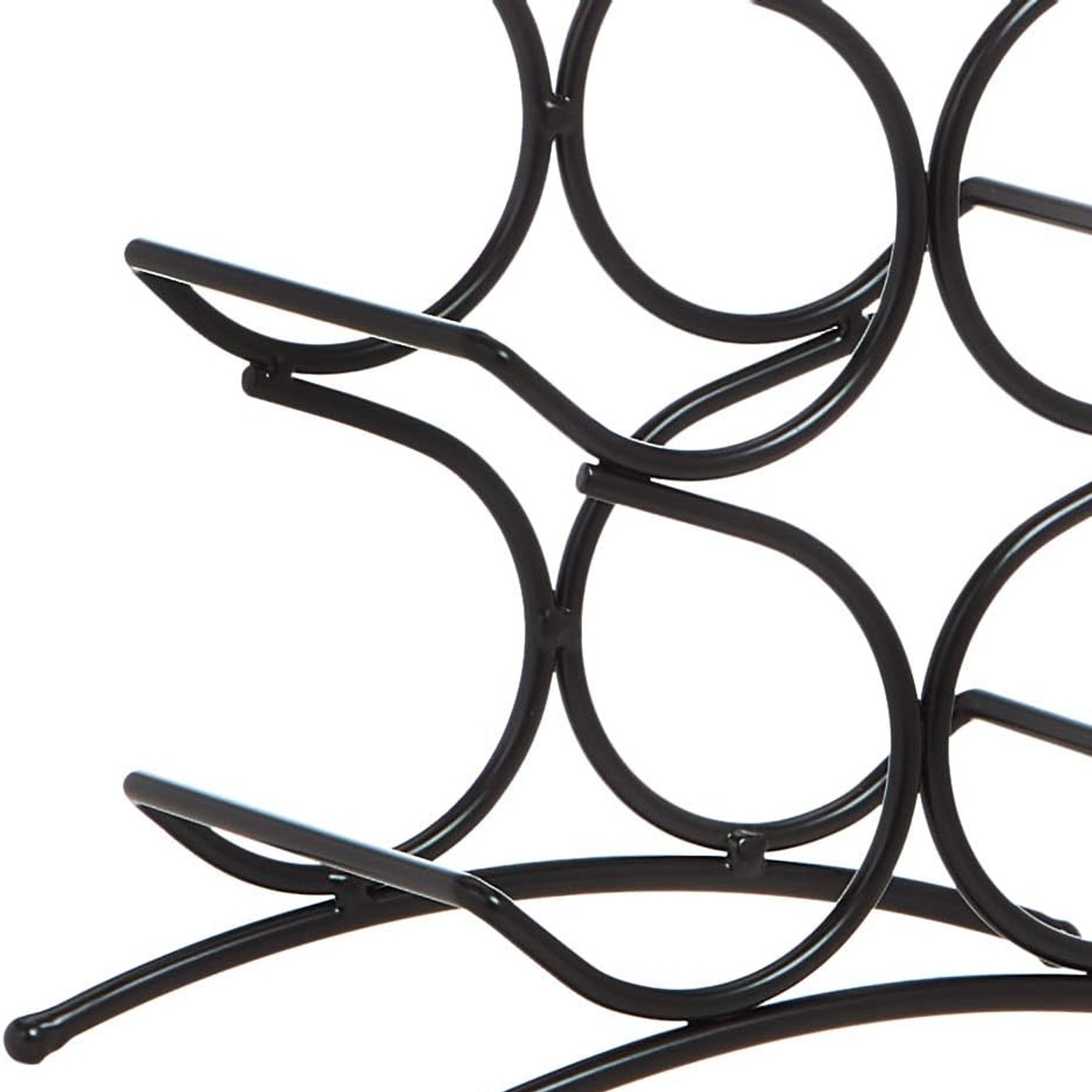
The idea is simple. A metal frame holds bottles on their sides in stacked tiers. Each bottle rests in its own cradle, so the weight of the one above never sits on the glass of the one below. You slide a bottle out and the rest stay exactly where they were.
Horizontal storage is not just about saving space. When a bottle lies on its side, the wine stays in contact with the cork. That keeps the cork swollen and sealed, which is what stops air creeping in. Upright bottles let corks dry and shrink over time. For anything you plan to keep more than a few months, lying down is the better choice.
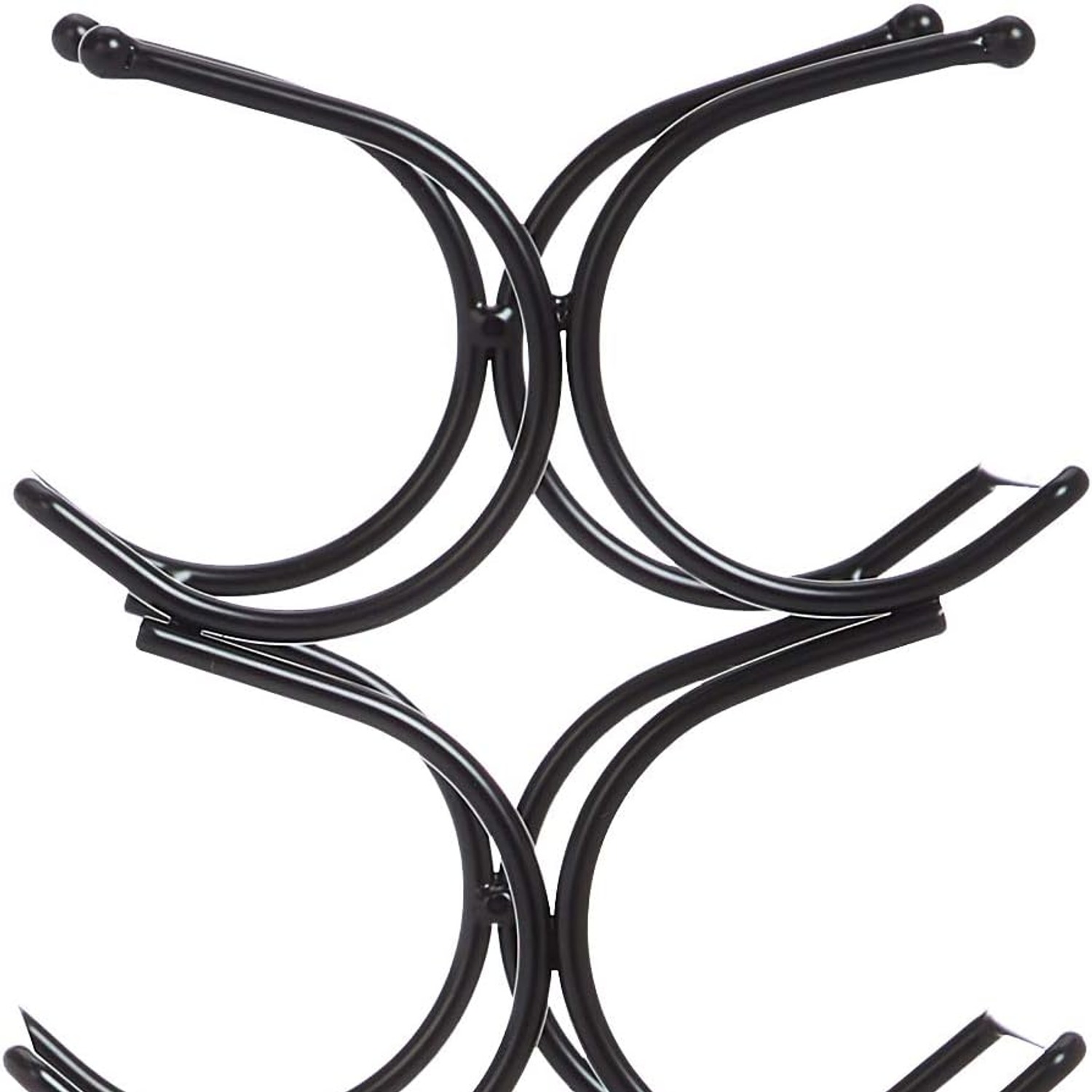
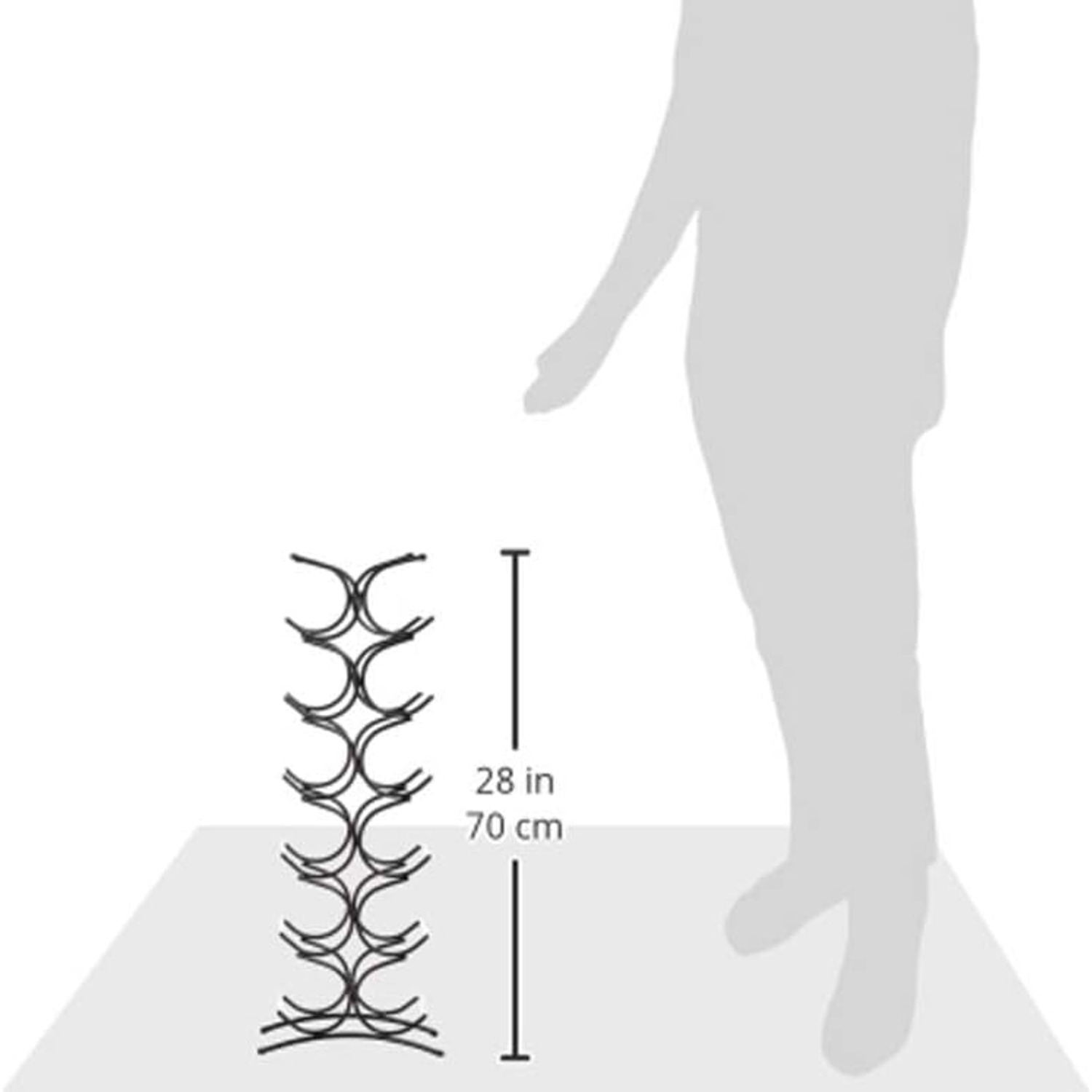
This particular rack measures 16 cm deep, 24.9 cm wide and 67.8 cm tall, and it holds twelve bottles. It weighs 2.09 kg empty. Nothing needs assembling, which is worth more than it sounds. Flat-pack racks are a known source of frustration, with bent brackets and mismatched screw holes. This one comes out of the box ready to load.
Who it suits
Renters do well with freestanding racks. There are no holes to drill, no wall anchors to patch over when you move, and no need to work out whether your wall is plasterboard or brick. You put it down and it works.
Small kitchens benefit from the depth more than anything. Sixteen centimetres is about the width of a dinner plate. It slots into the gap beside a fridge, under a bench overhang, or at the open end of a cabinet run where a wider unit would block traffic.
Apartment dwellers tend to be hunting for the best wine storage for apartments precisely because square metres are expensive. A tall, narrow rack gives you twelve bottles of capacity for roughly the floor space of a kitchen bin.
It also suits people who entertain regularly but do not cellar. If your collection turns over every few months, you do not need a temperature-controlled cabinet. You need somewhere sensible to keep the next dozen bottles.
Who is it less suited to? Anyone building a genuine cellar, or anyone storing a lot of magnums and odd-shaped sparkling bottles. The maximum bottle diameter is not stated in the product record, so if your collection runs to unusual shapes, measure first.
How to choose the right size and spot
Start with the tape measure, not the product page. Measure the width of the gap, the depth from wall to the front edge you are prepared to lose, and the height to any obstruction such as a benchtop, shelf or window sill.
Then add a little margin. You want a few centimetres of clearance at the sides so you can actually reach in and lift bottles out. A rack wedged perfectly into its slot is a rack you will end up resenting.
Height is the measurement people most often get wrong. At 67.8 cm this rack will sit comfortably beside most benches, but it will not fit under a standard bench with a shelf above it. Check the clear interior height if you intend to put it inside a cupboard.
Capacity deserves a quick think too. Twelve bottles sounds like a lot until you realise a single case is twelve. If you buy by the case and keep two on hand, you may want two racks side by side rather than one. Many shoppers comparing the best 12 bottle wine rack options end up buying a pair for exactly this reason.
Finally, think about the surface. A level floor or a solid bench is ideal. Thick rugs, uneven tiles and wobbly side tables are not. A loaded rack holds a meaningful amount of weight, and you want that weight sitting flat.
Finish and how it looks in a room
Black does a lot of quiet work. It sits against pale cabinetry without glaring, against timber without clashing, and against brick or concrete without looking out of place. If you have ever tried to match a timber-toned rack to existing furniture, you will know how often that goes slightly wrong. Black sidesteps the problem.
The style here is described as traditional, which in practice means a straightforward frame rather than anything decorative. That is usually what you want from storage. Furniture should be the thing you notice; storage should just hold things.
One small point on visual balance. A tall, narrow rack reads better when it sits next to something of similar height, like a fridge, a counter end or a sideboard. Placed in the middle of a long blank wall it can look a little stranded.
Looking after it
The care instruction is simple. Wipe the frame with a dry cloth. Dust settles on horizontal bars and shows up more on a dark finish, so a quick pass every couple of weeks keeps it looking even.
If something sticky lands on the metal, use a barely damp cloth and dry it straight away. Moisture sitting on metal is what causes problems over months and years. Avoid scouring pads, abrasive powders and strong solvents, since those can leave scratches or dull patches that will not come back.
When you move the rack, empty it first and lift rather than drag. That protects both the floor and the base of the frame. If you are putting it on timber or vinyl, small felt pads under the feet are a cheap bit of insurance.
Where you put the rack matters more for the wine than the metal. Keep it out of direct sunlight, away from the oven, and clear of heating vents. A cool, shaded corner is the goal. No room rack controls temperature, so pick the steadiest spot you have.
A few practical habits
Load heavier and older bottles toward the bottom. It keeps the centre of gravity low and makes the rack feel more planted.
Turn labels outward. Being able to read what you own without pulling bottles out is half the point of a rack, and it stops you disturbing wine you are not drinking that night.
If you keep both reds and whites, give each a tier or a side. It saves rummaging when guests arrive.
Rotate stock as you buy. New bottles go to one end, and you drink from the other. It is a small habit that stops a good bottle getting lost at the back for three years.
The short version
This is a straightforward metal rack that holds twelve bottles in a space 16 cm deep and 24.9 cm wide, standing 67.8 cm tall. It needs no assembly, weighs 2.09 kg empty, comes in black, and cleans up with a dry cloth. It stands on the floor or a bench with no fixings required.
It is a good fit if you want tidy, visible wine bottle storage in a kitchen, dining room or apartment, and you are drinking through your bottles rather than ageing them for a decade. Measure your space, allow a little clearance, and pick a cool spot out of the sun. That is most of the decision made.