
The complete guide
How to Choose and Fit an Under-Cabinet Wine Glass Rack
The problem with storing wine glasses
Wine glasses are badly behaved objects. They are tall, so they do not fit under a normal shelf gap. They are fragile, so you cannot stack them. They are top-heavy, so they tip when you slide the one behind them out. The usual result is a back row of glasses that nobody ever uses, slowly filling with dust, while the two or three you actually like live permanently on the drying rack.
That is the gap an under cabinet wine glass rack fills. Instead of asking a shelf to do a job it is bad at, you hang the glasses upside down by the foot in the empty space beneath the cabinet. The bowls point down, dust stays out, and every glass is visible and reachable with one hand. It is how bars have done it for decades, and the reason is simple. It works.
How a hanging stemware rail works
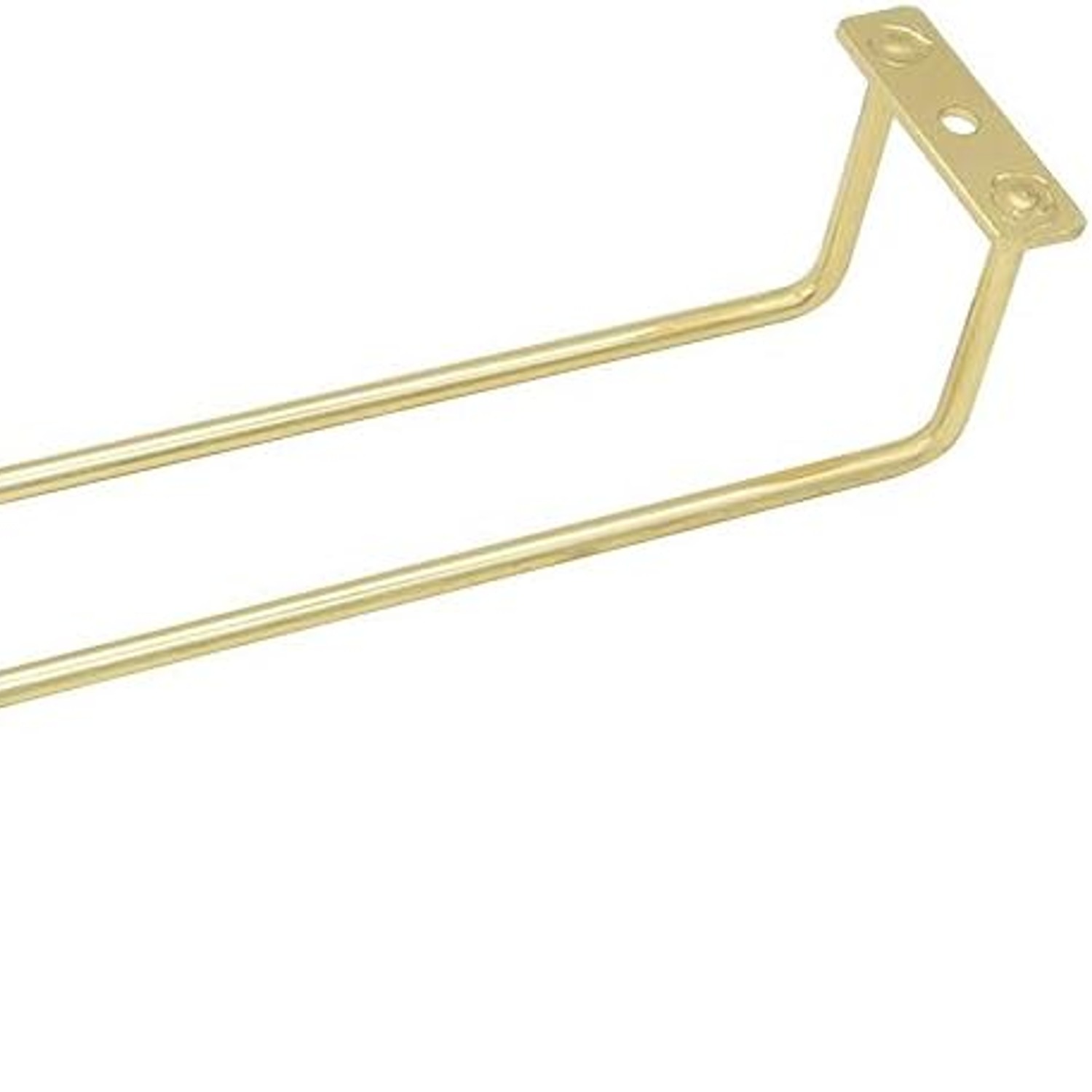
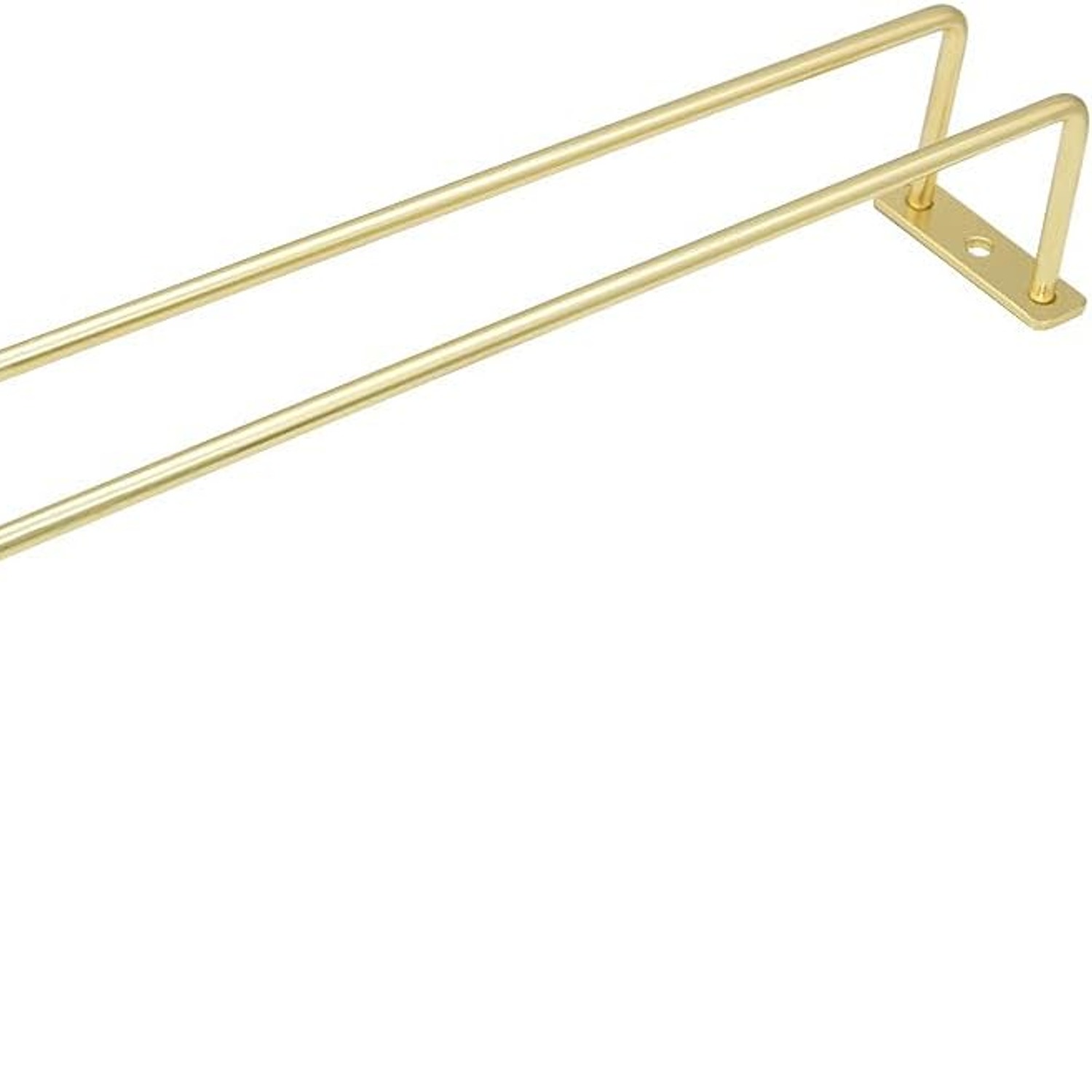
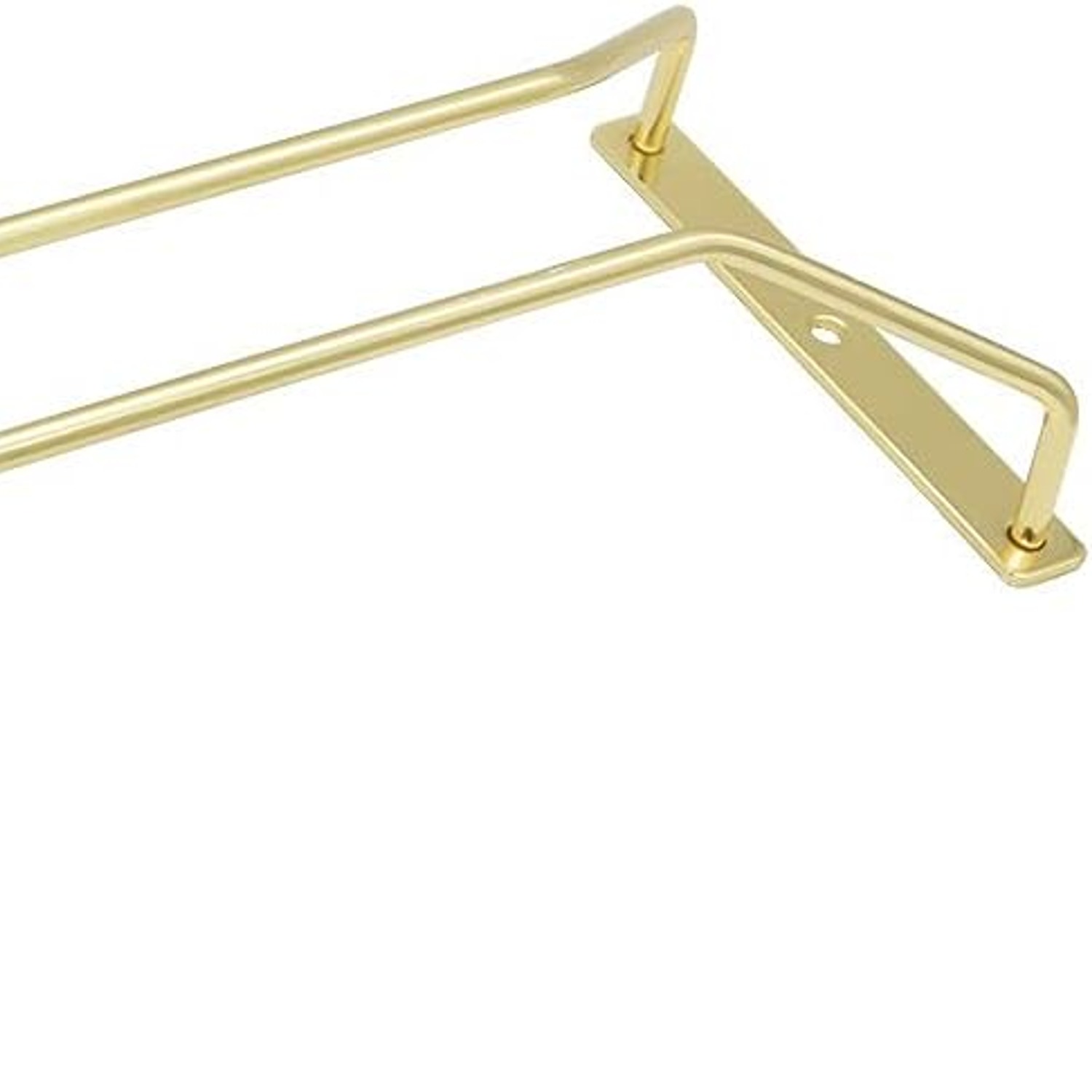
The design is about as simple as hardware gets. Each rail has slots running along its length. The foot of the glass slides into a slot, the stem sits in the gap, and the bowl hangs clear below. Gravity does the rest. Because the glass is held at its strongest point, the foot, there is no stress on the delicate part.
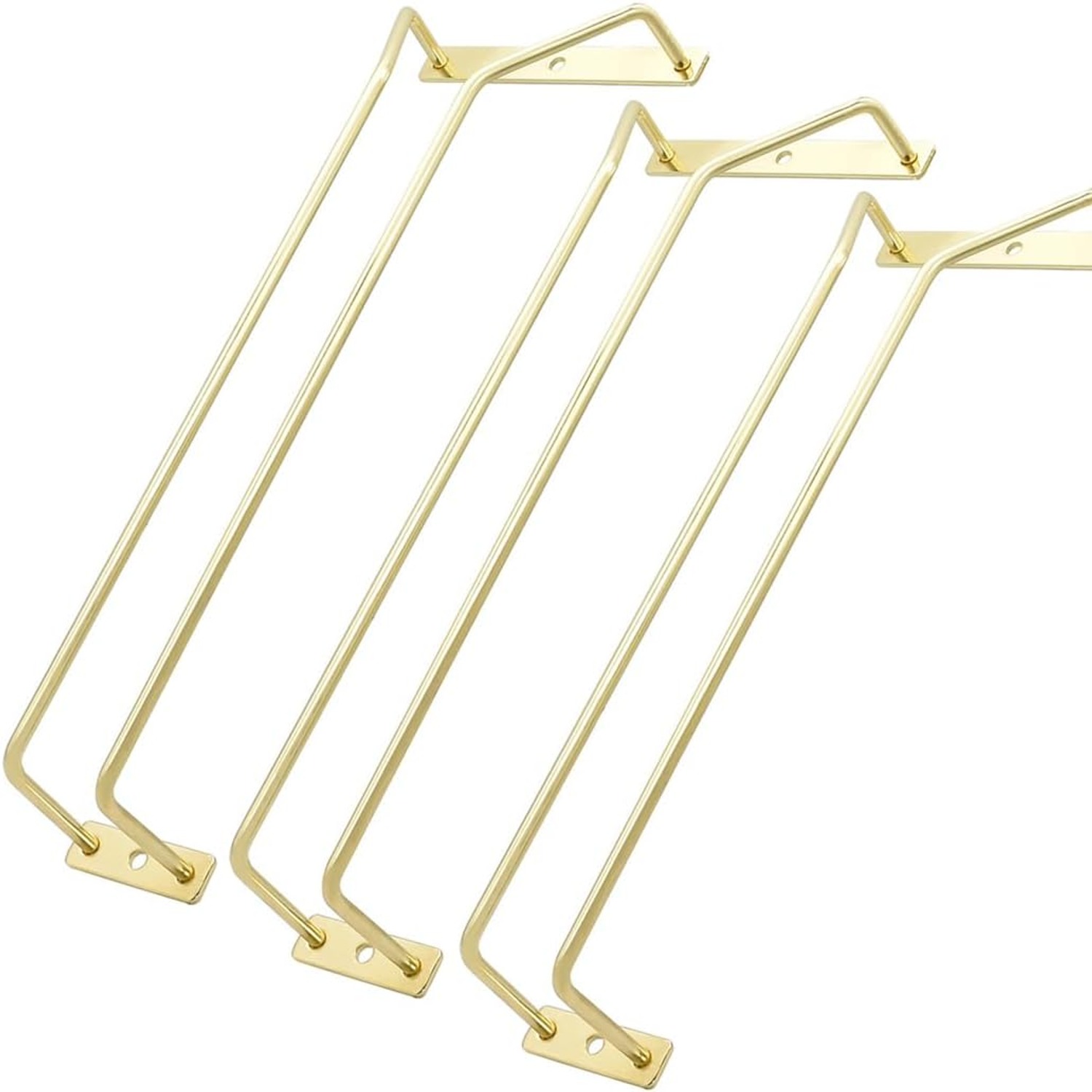
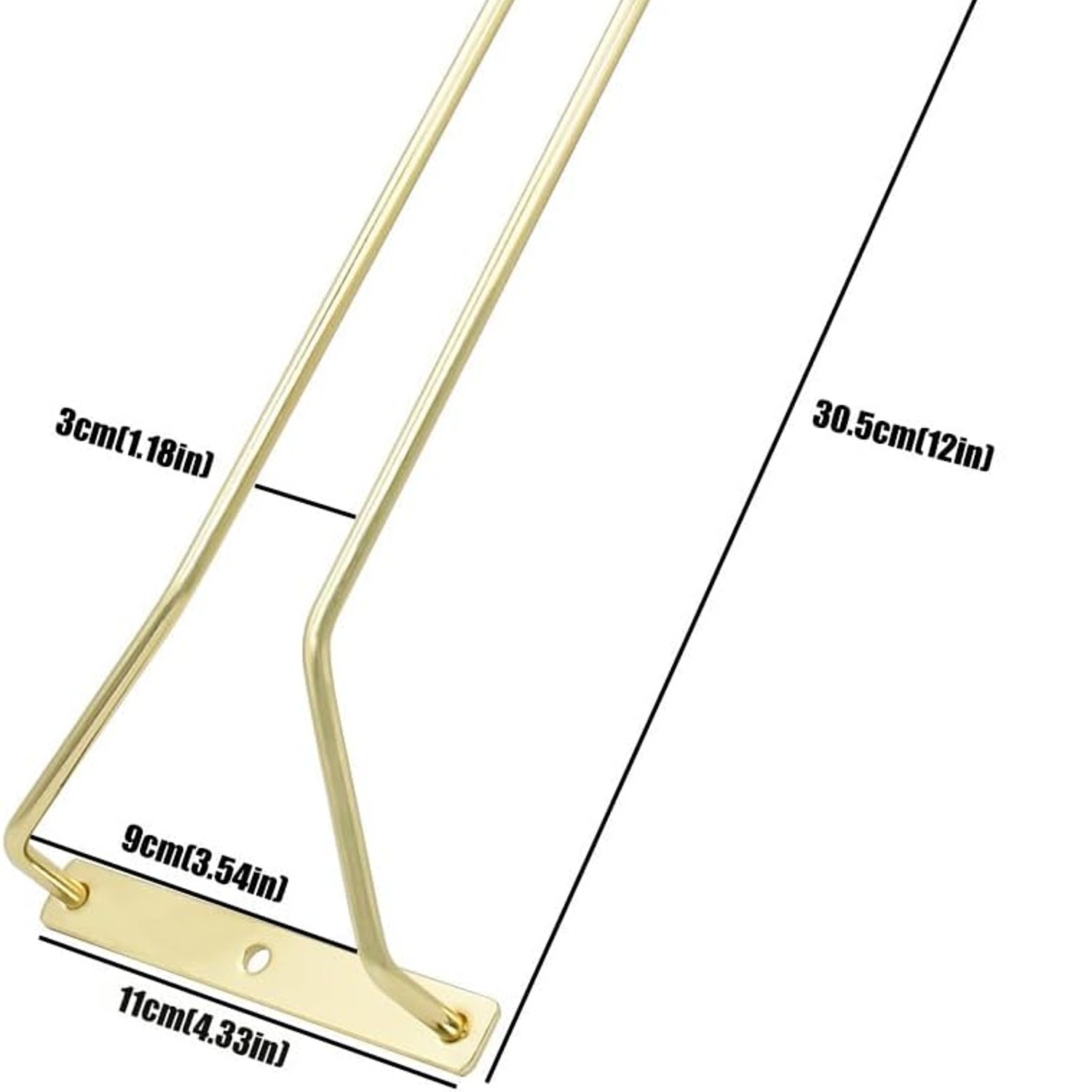
This set gives you three rails, each 30.5cm deep, 10.8cm wide and 5.1cm high. Depth is the measurement that matters for capacity, since that is the length of hanging run you get. In most kitchens one rail takes about three to four standard wine glasses. Slim flutes pack in tighter. Wide bowled reds take more room, so expect fewer.
The low 5.1cm height is worth noting. A deep rack eats into the space between your cabinet and your bench, and if you have a kettle or coffee machine under there you will notice. A shallow profile keeps the glasses close to the cabinet and leaves more usable air below.
Materials and finish
The rails are alloy steel with a brushed gold finish. Steel matters here because the rail has to stay straight under load. A flimsy rail bows in the middle, and once it bows the glasses start to lean and clink against each other. Alloy steel holds its shape.
The brushed finish is the practical choice for anything you touch every day. A mirror-polished rail looks great in photos and then shows every fingerprint the moment someone reaches for a glass. Brushed metal scatters light instead of reflecting it, so smudges disappear. Gold also happens to sit well against most cabinet colours. It warms up a white kitchen and adds contrast against dark timber or navy joinery.
If you already have brushed gold kitchen hardware, handles, tapware or pendant lights, this will sit in the same family. Gold tones do vary between manufacturers though, so if you want an exact match hold the rail against your existing fittings in daylight before you commit.
Who this suits
The clearest case is anyone short on cupboard space. Apartments, galley kitchens, converted garages, student flats. If you can name every centimetre of shelf you own, moving stemware into overhead dead space is an easy win.
The second group is people building a drinks corner. A row of hanging glasses above a bar cart or sideboard does more for the look of the space than almost anything else at this price. It signals that this corner is for drinks, not storage. Three rails is enough to make that read properly.
Third, there are the people who have nice glasses and never use them because getting them out is a chore. If your good stemware lives in a box in the garage, hanging it where you can see it changes the odds considerably. Glasses that are visible get used.
Who it does not suit: anyone without a suitable overhang. You need the underside of a cabinet or a solid shelf with timber thick enough to take a screw. A bare plaster wall is not what this is made for. Outdoor kitchens are also out, since the product is specified for indoor use.
How to choose and plan the install
Start with your glasses, not the rack. Pull out the widest glass you own and measure the diameter of the base and the widest point of the bowl. The base width tells you how many fit along a 30.5cm rail. The bowl width tells you how far apart to space the rails so the glasses do not knock together.
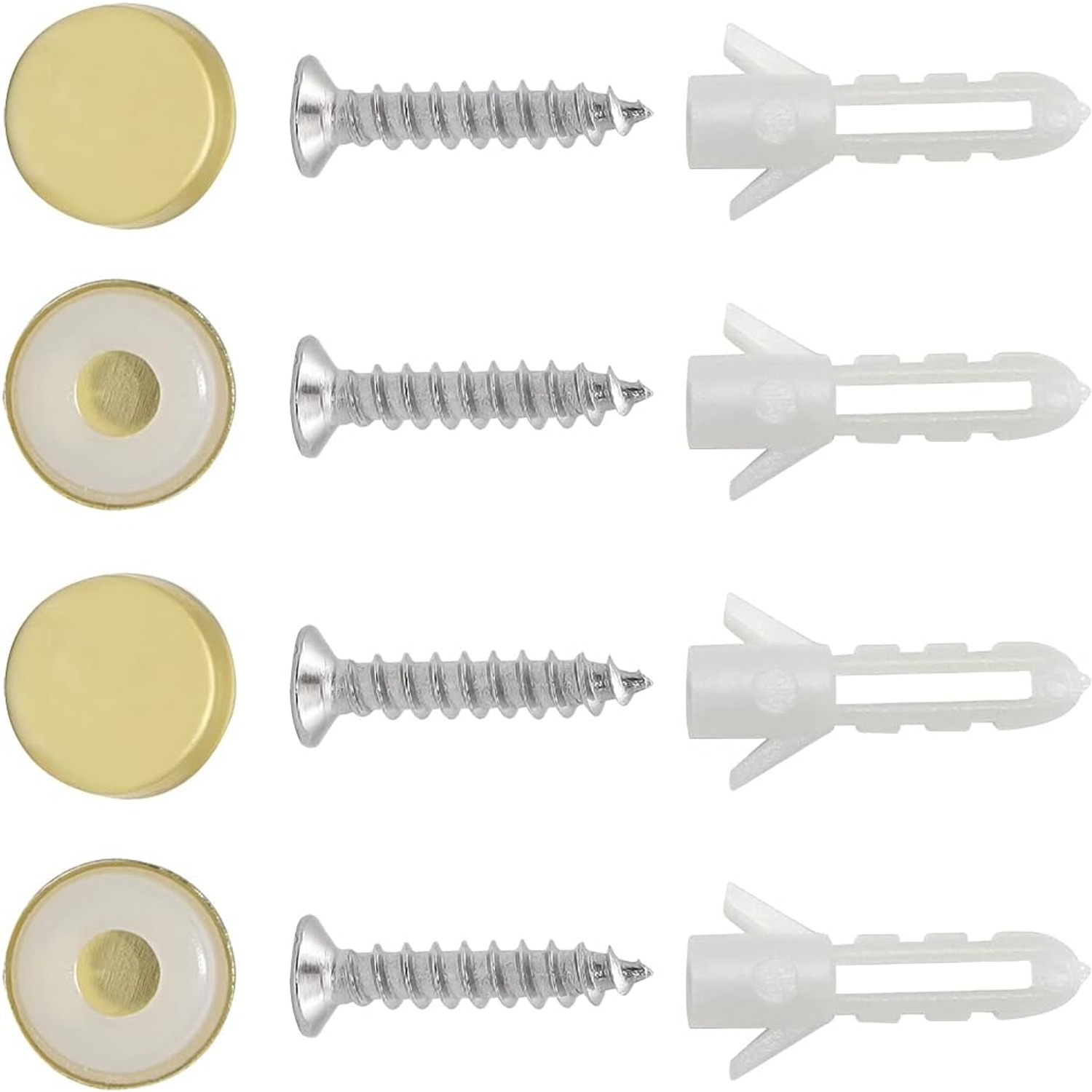
Next, check your overhang. Look at the underside of the cabinet where you plan to mount. You want solid timber, and you want to know roughly how thick it is so your screws bite without punching through into the shelf above. Six screws come in the box, so you have enough for all three rails.
Then plan the layout. You have options. Three rails side by side give you a bar-style block of hanging glassware above one bench. Or spread them, two in the kitchen and one near the dining room, if your glasses live in different places. Nothing in the design forces a single arrangement.
Finally, think about height. Hang a glass on the rail before you fix it and see how low the bowl sits. You want clearance above the bench for whatever lives there. This is the one thing people regret skipping, and it takes thirty seconds to check.
Fitting it
Assembly is required, but it is light work. Mark your rail positions in pencil, holding each rail up and checking it sits parallel to the cabinet edge. A second pair of hands helps here, though it is manageable alone.
Drive the screws up into the timber with a screwdriver. If the wood is hard, starting a shallow pilot hole with a bradawl makes the job easier and reduces the chance of splitting. Tighten firmly, then test the rail by pulling down on it before you hang anything.
Load the rails evenly rather than piling everything onto one. Once loaded, give each rail a gentle check a day later and re-tighten anything that has settled.
Looking after it
Care is minimal. Wipe the rails with a soft damp cloth and dry them straight away. Avoid scouring pads, powders and bleach sprays, since those are what dull a brushed surface over time.
The one habit worth building is letting glasses drain fully before hanging them. Water running down a stem sits on the rail, and trapped moisture is the main enemy of any indoor metal fitting. A quick dry with a tea towel solves it.
Every few months, press up on each rail and check the screws. Cabinets move slightly with heat and humidity, and a screw that has loosened is much easier to fix before it becomes obvious.
The short version
This is three brushed gold rails, each 30.5cm deep, that screw under a cabinet and hold your wine glasses by the foot. Six screws are included and a screwdriver is all you need. It is an indoor fitting in alloy steel, weighing 454 grams for the set, suited to kitchens, dining rooms and home bars.
Measure your widest glass, check you have solid timber to screw into, and plan your rail spacing before you pick up a screwdriver. Do that and you will get a clear shelf, dust-free stemware and a kitchen corner that looks deliberate instead of crowded.