
The complete guide
How to Choose and Fit an Under Cabinet Wine Glass Rack
The problem with storing wine glasses
Wine glasses are badly shaped for cupboards. The bowl is wide, the stem is thin and fragile, and the whole thing is top-heavy. Stand a row of them on a shelf and you have used up the full height of that shelf while leaving most of the air above the glasses doing nothing. Stack anything on top and you risk a chip. Push one too far back and you knock over the one in front.
Then there is the dust. A glass standing upright is a small open container with its mouth to the ceiling. Leave it a month between dinner parties and you will want to rinse it before anyone drinks out of it.
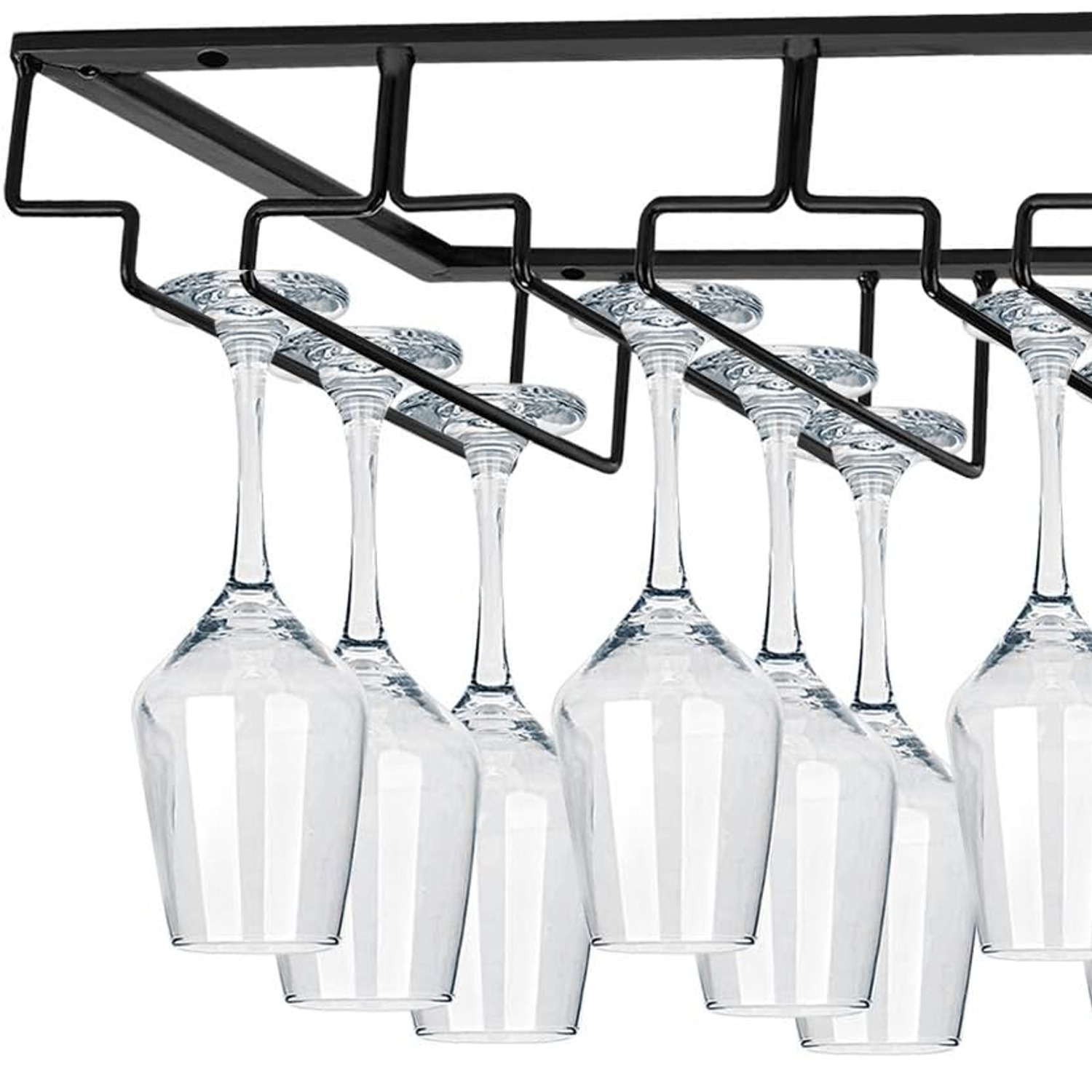
A hanging rack fixes both problems at once. The glasses hang upside down by the foot, so the opening faces the bench and stays reasonably clean. The shelf they used to occupy becomes free for plates, bowls or pantry goods. And because each glass sits in its own slot with air around it, nothing is knocking against anything else.
How a four row rack works
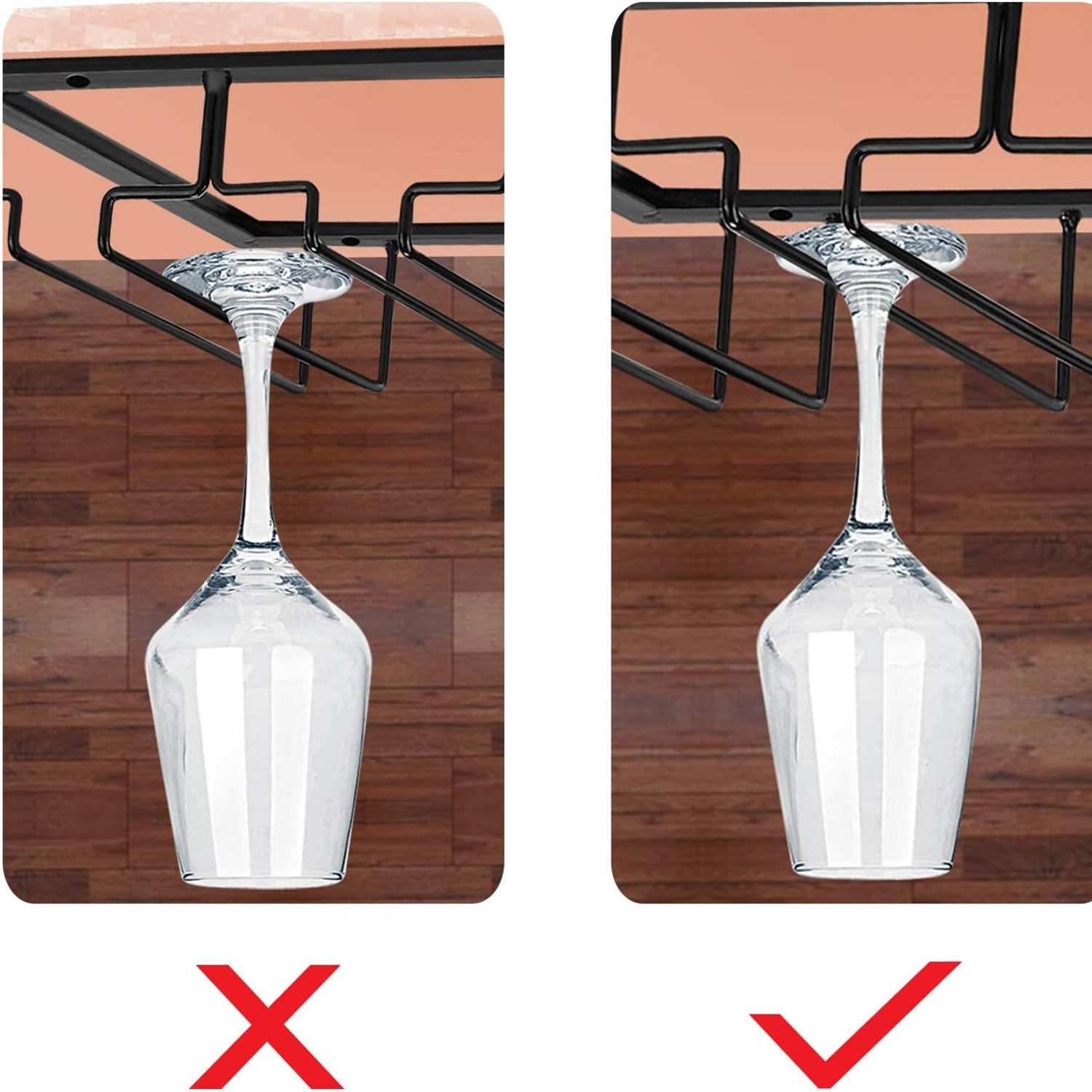
The design is simple on purpose. The rack is a flat frame with four parallel rails running across it. Between each pair of rails there is a gap wide enough for a wine glass stem but narrower than the foot of the glass. You slide the glass in from the open edge, foot-first, and the two rails hold the foot while the stem and bowl hang below.
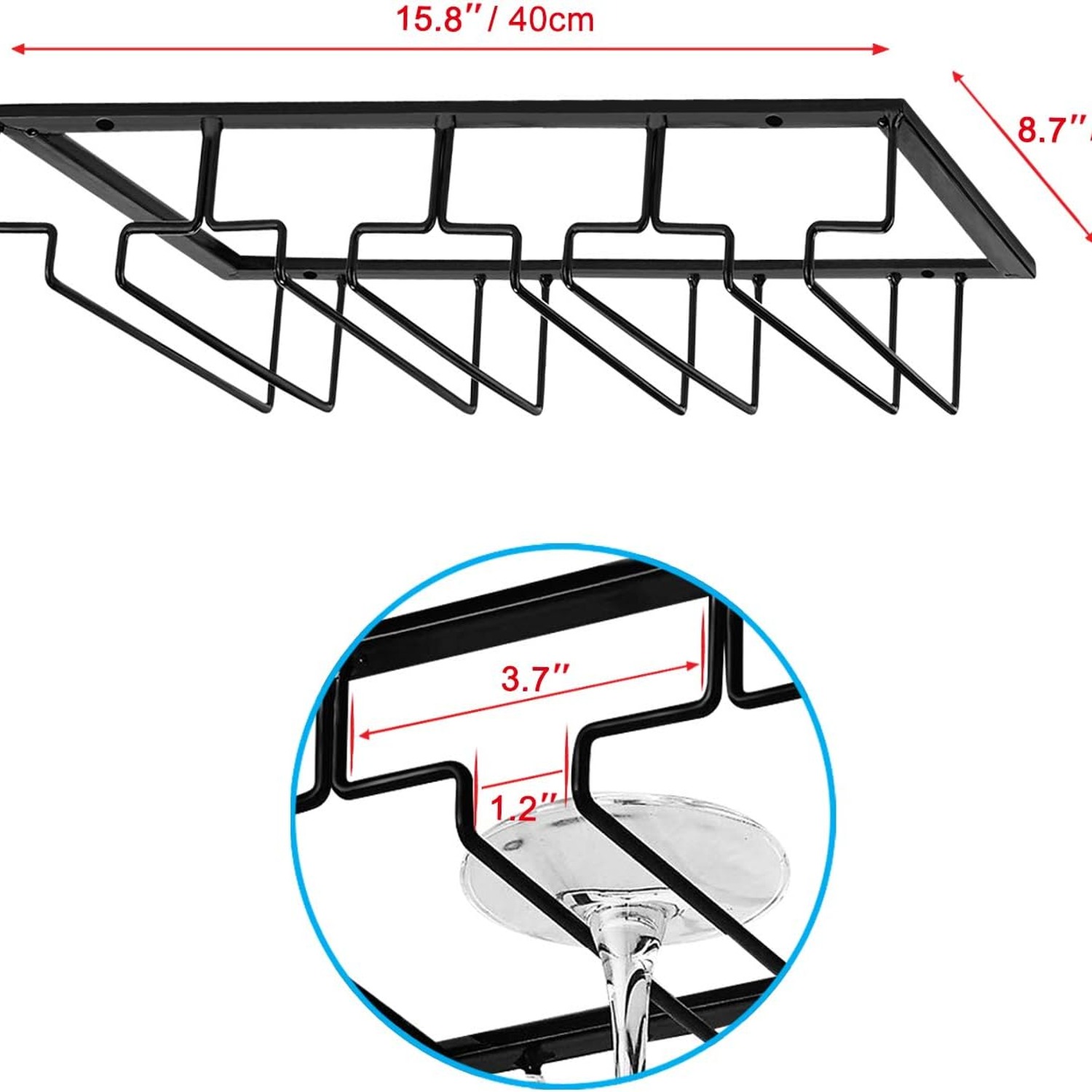
This one measures 6 cm deep, 22.1 cm wide and 6 cm high, and weighs 454 g. It is a compact unit rather than a full-width cabinet insert. That matters for two reasons. First, it fits under a single standard overhead cabinet without looking like a piece of commercial bar equipment. Second, it is light, which makes installation a one-person job.
The finish is white powder coating. Powder coat goes on as a dry layer and is baked hard, which gives a tougher surface than paint and one that stands up to regular wiping. White is the quietest colour choice for most kitchens because it tends to read as part of the cabinetry rather than an addition to it.
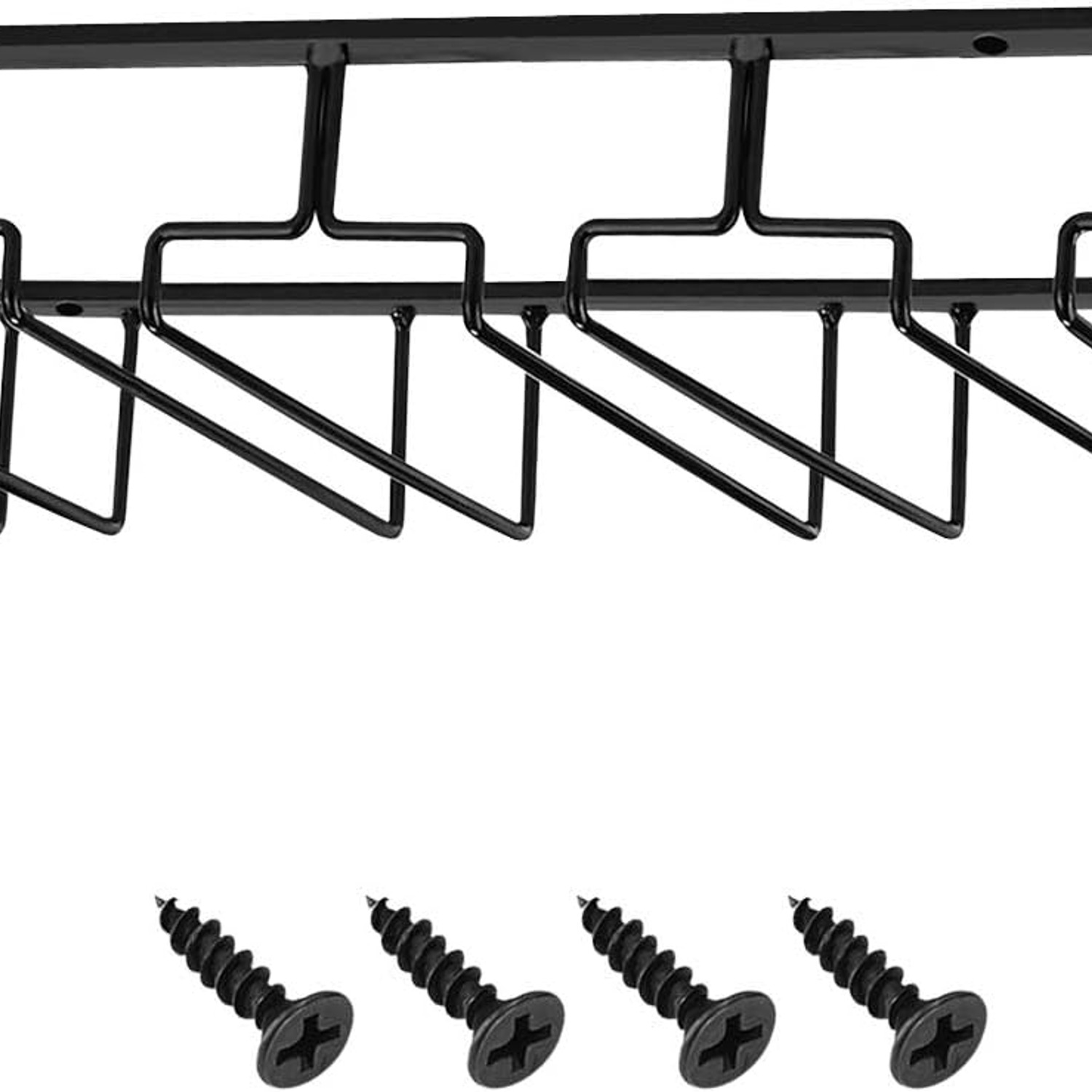
Everything arrives assembled. There is no flat-pack stage, no bag of brackets to decipher. The box holds the rack and the mounting screws.
Who this suits
Small kitchens benefit the most. If you have one glass cupboard and it is already full, moving six or eight stems underneath buys back a whole shelf. The same logic applies to apartments, granny flats and anywhere the kitchen was designed for a single occupant and is now serving two.
Home bar owners are the other obvious group. A shelf above a bar cart or in a drinks nook with a rack underneath looks deliberate and keeps everything to hand when you are pouring. It is the arrangement most people picture when they think of a proper bar setup, and it costs very little to copy at home.
Entertainers who own more glasses than they use weekly will also notice the difference. Instead of pulling a stack of glasses out of a dark cupboard and rinsing each one, the glasses are already out, already visible and already clean enough to use.
It is not the right choice if your glasses are stemless. A stemware holder grips the foot, so tumblers and stemless wine glasses have nothing to hold onto. Those still need a shelf.
Choosing the right spot
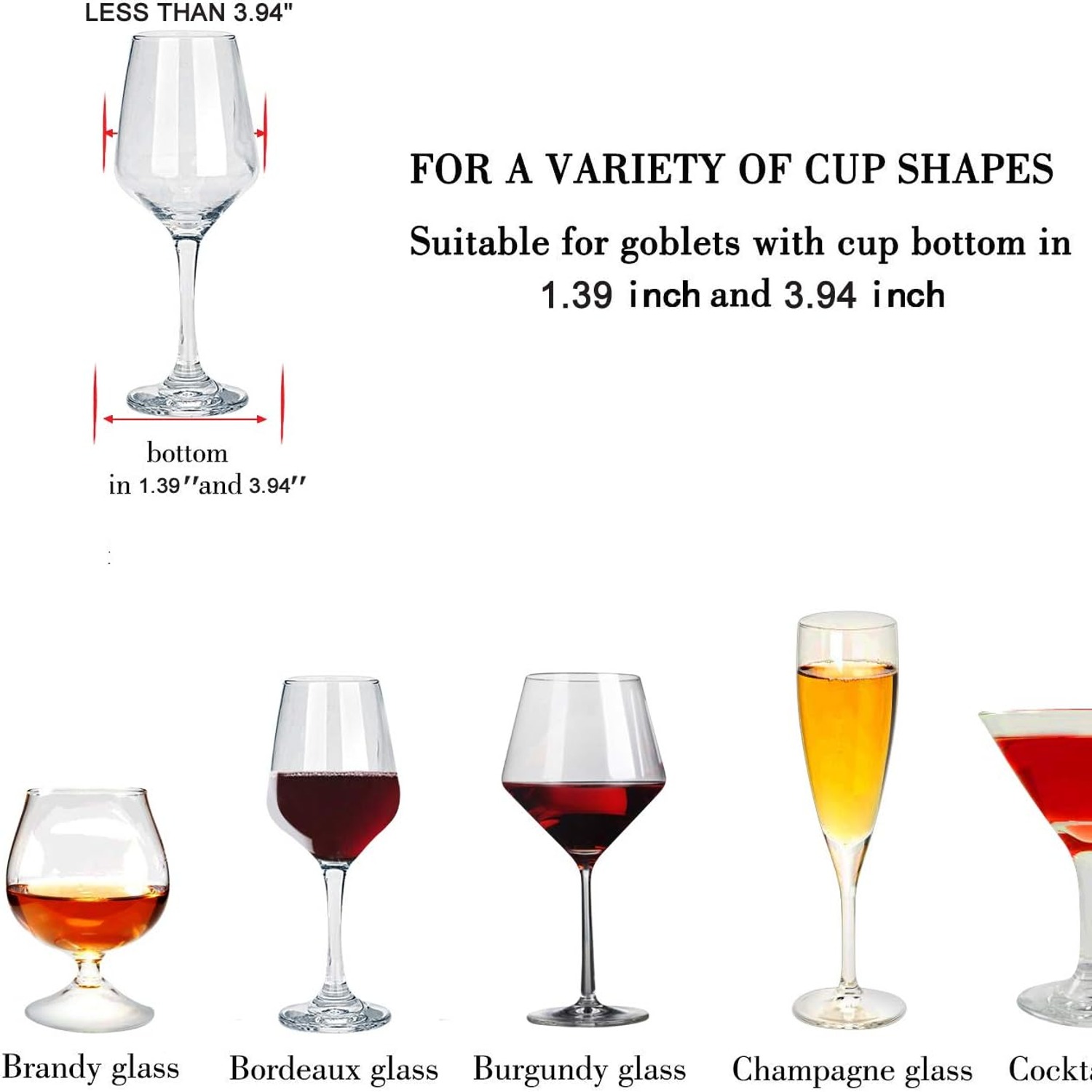
Start by looking at your glasses rather than your cabinets. Measure the widest foot in your collection and the tallest glass. The foot width tells you how tightly you can pack the rows. The glass height tells you how much clearance you need under the rack.
Add the 6 cm height of the rack to your tallest glass and measure that total down from the underside of the cabinet. If the result leaves you less than a hand's width above the bench, pick a different cabinet. You want to be able to slide a glass in and out without tilting it awkwardly.
Avoid the area directly above a cooktop. Steam and cooking grease rise, and anything hanging in that zone will need washing far more often. Near the sink is also worth a second thought, though less of an issue. The sweet spot is usually the cabinet closest to where you actually pour drinks, whether that is beside the fridge or at the end of a bench.
Check what is above the cabinet base before you drill. On most cabinets the base is a solid panel with nothing behind it, but built-in units occasionally have a drawer or a lighting strip tucked in. A quick look inside the cabinet before you start saves an unpleasant surprise.
Fitting it properly
Hold the rack up where you want it and mark the screw positions with a pencil. Get someone to stand back and check it looks level, since a rack that is 5 mm off will be obvious once glasses are hanging from it.
If the cabinet base is hard timber or a thick board, drill small pilot holes first. This stops the screws from splitting the material and makes them much easier to drive. Keep the screws short enough that they do not come through the surface inside the cabinet.
Drive each screw until the rack sits flush and does not move when you push it. Do not overtighten, since that can crush the material around the hole and leave the fixing loose. Hang one glass, then two, then the rest, checking as you go that nothing is flexing.
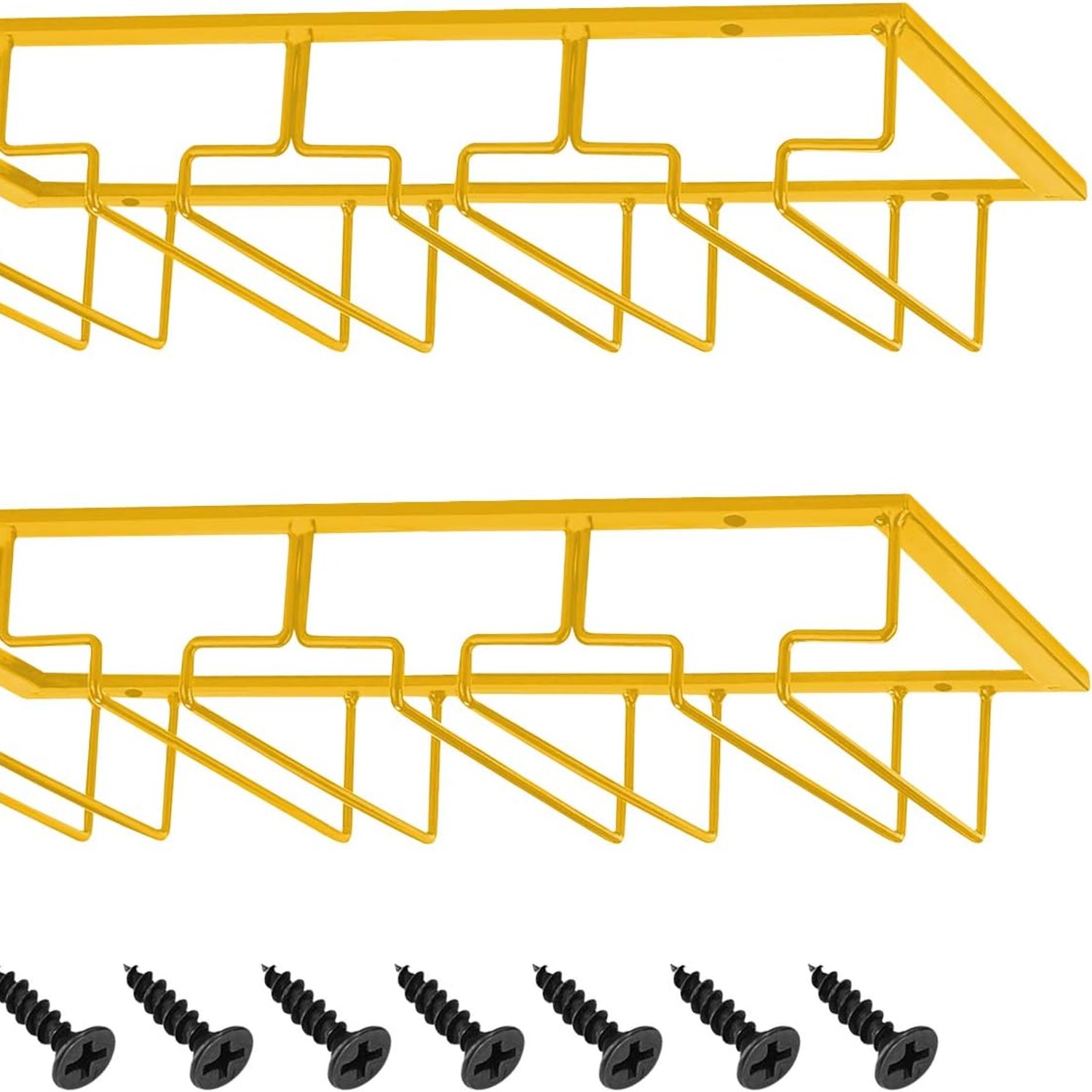
If you need more capacity, mount a second rack beside the first. Line up the front edges so the two units read as one continuous run, and leave a finger-width gap between them so you can still load glasses from the side.
Keeping it clean
A damp cloth once a fortnight handles most of the job. Kitchen air carries a fine film of cooking oil that settles on everything, and wiping it off early is far easier than scrubbing it off later.
For anything sticky, warm water with a drop of dish soap on a soft cloth will shift it. What you want to avoid is steel wool, scouring pads and solvent-based cleaners. All three can scratch through powder coating, and once the coating is broken the surface underneath is exposed.
Dry the rails after cleaning rather than letting them air dry. It takes ten seconds and keeps water marks off the white finish.
Every few months, give the mounting screws a quick check. Cabinet doors slam, kitchens vibrate, and screws sometimes work loose over a year or two. A quarter turn with a screwdriver is all it usually takes.
The short version
This is a small, light, four-row rack that screws under a cabinet and hangs your wine glasses out of the way. It arrives assembled with screws included, so fitting it takes a few minutes and a screwdriver. The white powder-coated finish wipes clean and keeps a low profile.
It is 22.1 cm wide, so think of it as a single-cabinet solution rather than a wall-length bar fitting, and add a second unit if you need more room. Measure your tallest glass, pick a spot away from the cooktop, and check the clearance before you drill.
Done well, it is one of those changes you stop noticing within a week, except that your shelf has space on it and your glasses are always ready.